
Take 10 With EJA Lighting Design President Mike Heiss
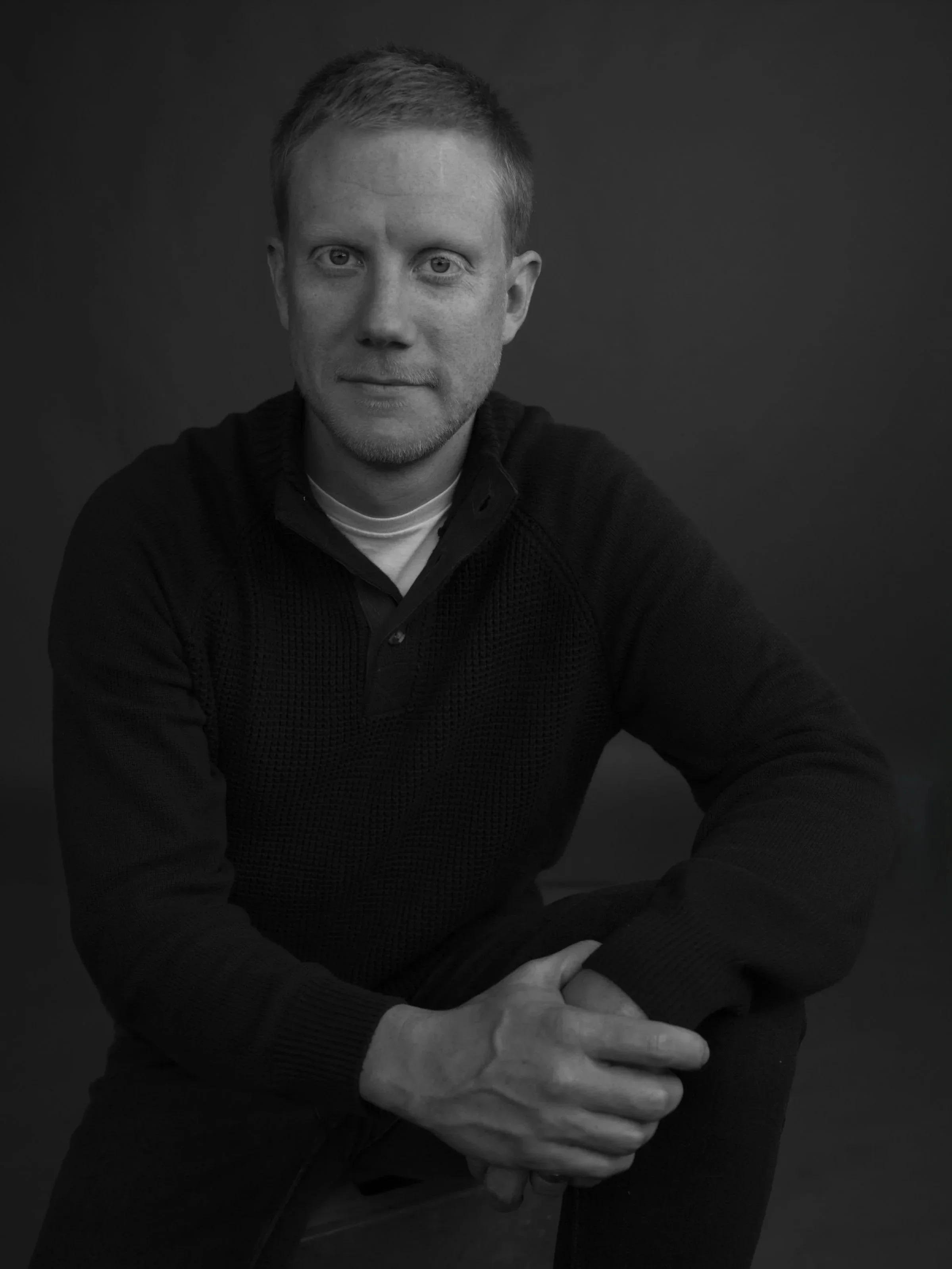
In 2025, after 25 years of successful leadership under founders Eric and Kimberly Johnson, EJA Lighting Design welcomed a new Owner and President, Mike Heiss. Mike, an entrepreneur with a mechanical engineering and industrial design background, added to EJA's pool of technical expertise and design leadership. The transition was seamless thanks to the team's commitment to providing best-in-class lighting design and consulting services. Now, in 2026, we look forward to the next 25 years as Mike leads EJA into its next chapter, strengthening relationships with our existing clients and collaborators and building new connections.
EJA: Congratulations on your one-year anniversary as Owner and President of EJA Lighting Design. What have been some of the highlights?
MH: Seeing our clients’ homes after we’ve completed the final lighting adjustment is nothing short of spectacular. I’ve enjoyed getting to know all the amazing collaborators EJA has worked with over the last 25 years – architects, designers, art consultants, owner’s reps, contractors, integrators, and engineers – it takes a village to bring these projects together, and I’ve been amazed by the generosity of the Bay Area’s community. It’s rewarding to see EJA’s next generation of leaders step up to take on more responsibilities as we reimagine what’s possible while honoring our legacy.
EJA: What have been the challenges?
MH: While I had gotten to know Eric and Kim for a few months before the acquisition, I hadn’t met any of the team members before closing day. They met the sudden leadership change understandably with uncertainty. It took time to develop relationships and trust with everyone and create a shared vision for the next 25 years, which we’re all excited about.
EJA: Your education is in both engineering and design. How does that influence how you approach your work?
MH: There’s a healthy tension between the disciplines. Engineering ensures a project is feasible, obeys the laws of physics, meets code requirements, and is safe. Design makes it desirable, something people have an emotional reaction to and are inspired by. Any successful project needs both, and I enjoy taking either perspective when necessary.
EJA: What excites you most about lighting design right now?
MH: In architectural lighting, trends of miniaturization and integration will continue to make light sources more invisible and seamless. At EJA, we love making the effect of light feel as if it’s magic.
EJA: What have been some of the most rewarding projects you have worked on in your career?
MH: Before EJA, I was part of a small team at Cover who developed a new building system from scratch based on first principles. On our mission to make thoughtfully designed and well-built homes for everyone, we imagined a house as a product manufactured in a factory, like cars. The first completed ground-up fire rebuild in Pacific Palisades since the tragic January 2025 fire used this building system.
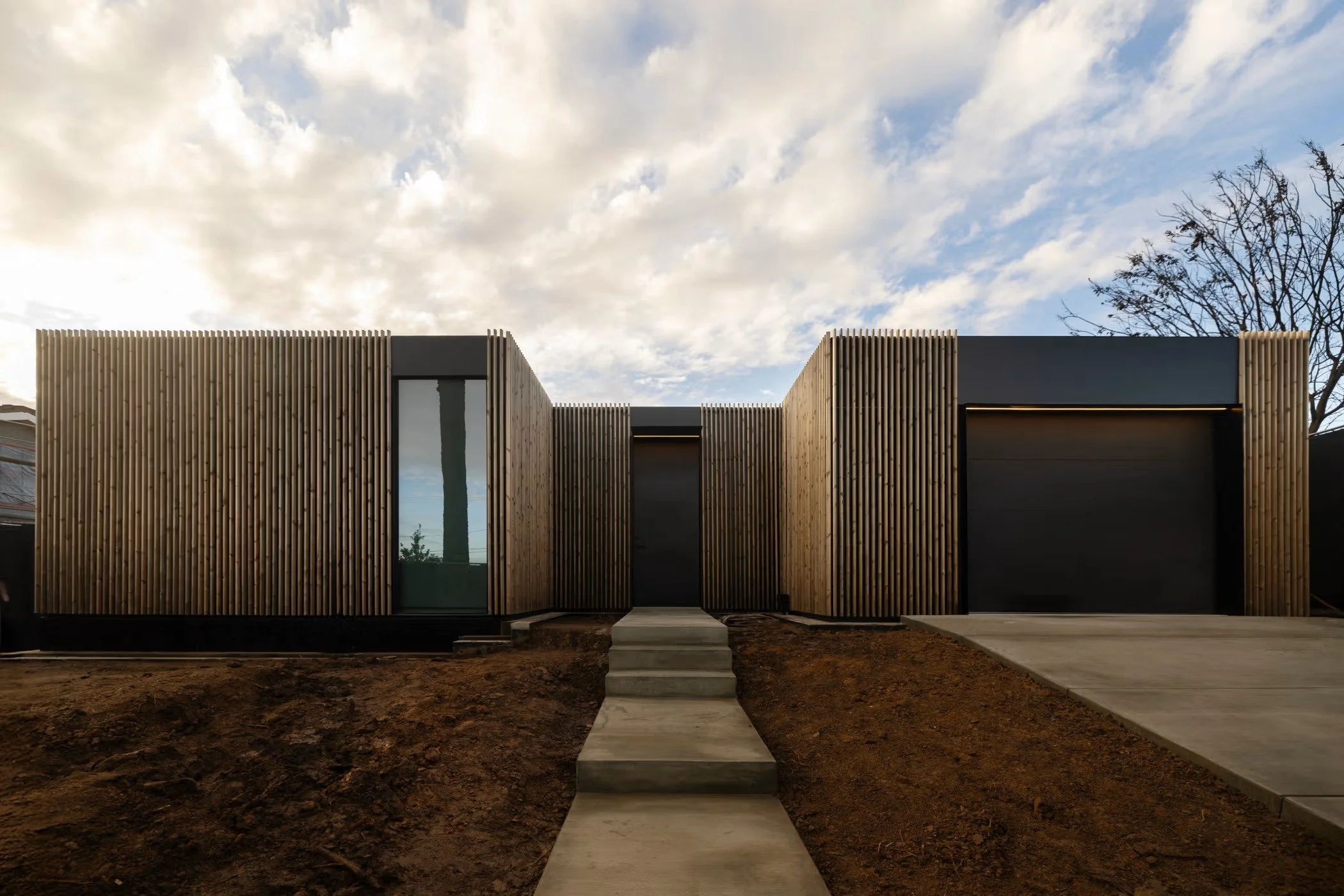
Image: Cover; Labella Family Home; Pacific Palisades, Los Angeles
Earlier in my career, I was on the team that designed the Keurig K2.0 coffee brewer. We took the product from concept to production of millions of units, and I enjoyed seeing features I designed, like the soft glow of the nightlight, “in the wild.”
EJA: You’ve lived in the Midwest, on the East Coast, and on the West Coast. What did you like about each?
MH: I liked growing up close to woods and lakes in Wisconsin, where I never thought twice about leaving my house, car, or bike unlocked. After college, moving to Boston felt like the “big city.” It’s no New York, but I enjoyed its European vibes and the ease of getting around on foot, by bike, or on the T (metro). The Bay Area has the proximity to nature of my childhood, while also being the world leader in design and innovation.
EJA: What was it like interning in Kenya for KickStart?
MH: Interning at KickStart was part of a 7-month trip spanning a study abroad, two Engineers Without Borders trips, and multiple home stays with local families. It was certainly a life-changing experience. I had been reading a lot about IDEO and Stanford d.school’s human-centered design methodologies and came across KickStart. This company makes human-powered treadle pumps (think a stair stepper) for irrigation. These pumps enable low-income smallholder farmers to grow high-value cash crops rather than low-value staples, thereby breaking cycles of poverty. My task was to design a submersible pump that would work in wells deeper than ~25 feet. The challenges were less technical and more about understanding what could be manufactured locally and easily serviced in the field without tools.
EJA: What is your favorite place to travel to?
MH: Anywhere I've never been before, preferably with mountains. There are plenty of new places to explore; I haven't had to repeat any place yet.
EJA: Most adventurous thing you’ve done in your life?
MH: In grad school, one of my design heroes was Jan Chipchase, known for cross-cultural field research and insights at Nokia, Frog, and now his own Studio D. He was leading a trekking expedition through Afghanistan's Wakhan Corridor in 2019, before the US withdrawal and the Taliban's return to power. My dad always told me to take opportunities when they arise, you never know if you'll get the same opportunity again. Risk management was still a key part of the planning – no one's coming to save you if anything goes wrong. A highlight was catching a game of Buzkashi, a horseback game in which players use a goat carcass as the ball, at a Kyrgyz wedding in a nomadic yurt village in the middle of the mountains.
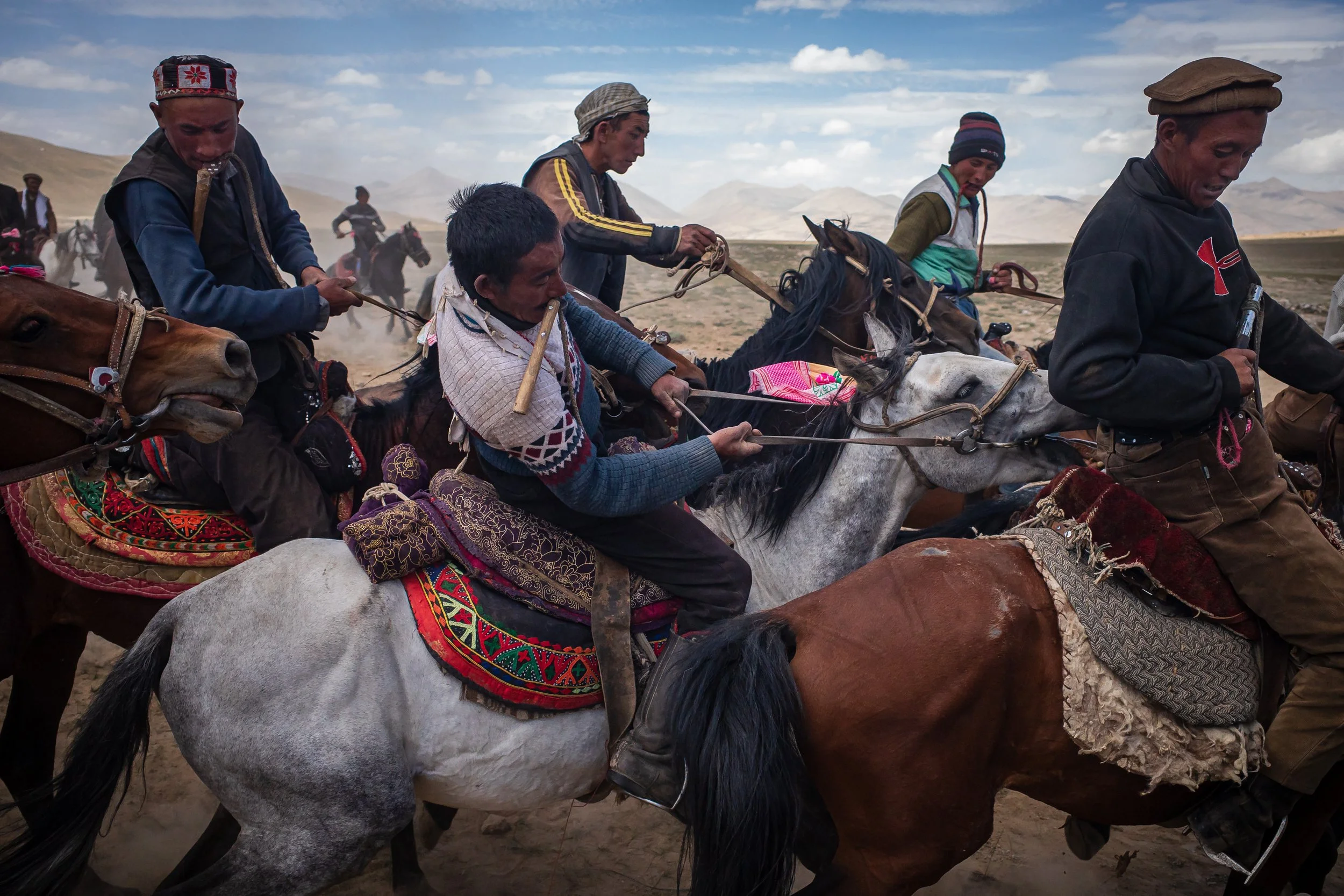
Image: Buzkashi, photo by Mike Heiss
EJA: What are three things you can’t live without?
MH: Good relationships with people I love, being active outdoors, and something new and interesting to learn.