
Collaborator Profile: April Powers
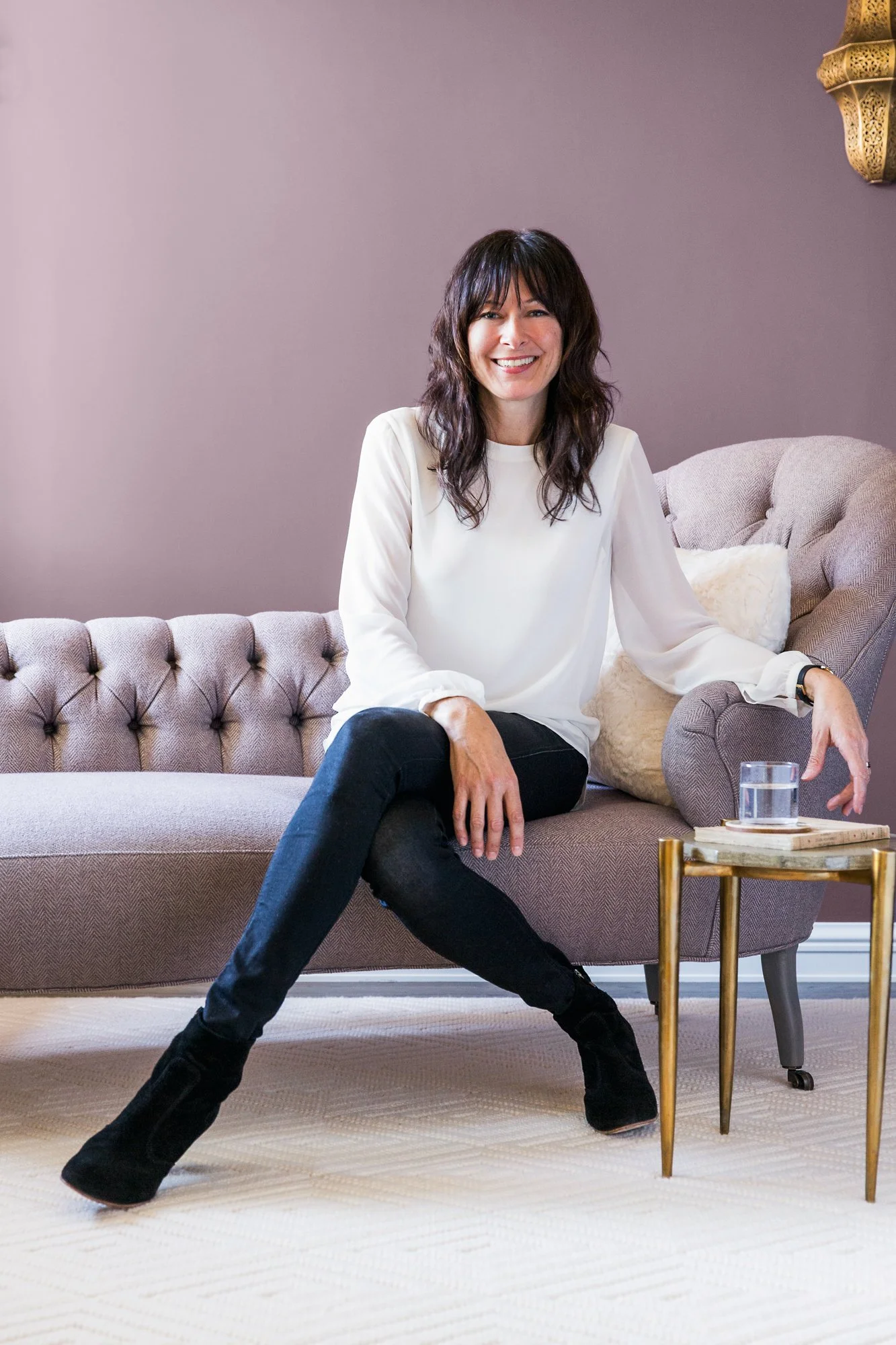
Photo Credit: Aubrie Pick
April Powers founded her eponymous company in 2009 as a boutique interior design firm offering comprehensive services for residential and hospitality projects. With over 20 years of experience, she leads each project from initial concept through turnkey installation, ensuring thoughtful, cohesive, and beautifully executed spaces. Collaboration is central to her firm’s process, including close partnerships with architects, builders, artisans, and trusted consultants such as EJA Lighting Design. Her interiors are refined, personal, and deeply connected to architecture. APID has completed projects ranging from custom residences to boutique inns, resorts, wineries, and restaurants across California and beyond.
EJA: How do you incorporate lighting into your interior design?
AP: I work to develop multiple layers of lighting in each space. Recessed lighting at the ceiling is helpful for the more utilitarian function of general illumination in a room and for art. I then typically build on the recessed lighting by adding decorative chandelier, pendant, or surface-mounted light fixtures. After that, I like to incorporate floor, table, and task lamps to bring the lighting in the room to a more personal level, that is, grouping or function-oriented.
EJA: How would you describe your design philosophy?
AP: My general design philosophy is to work closely with the client to determine the client's program and inspiration for a project. I like to learn what they are drawn to and how they will use a space, whether it is a home, winery tasting room, restaurant, or hotel. Once we have developed a collaborative vision for a project with a client, we begin selecting materials, cabinetry design, furnishings, etc.
EJA: As a California design firm, how do you incorporate the outdoors into your interiors?
AP: We typically approach outdoor areas adjacent to a home or hospitality project as an extension of the interior experience. Selections for outdoor furnishings will echo the style and concept developed for the interiors. We will often include items such as outdoor area rugs and floor and table lamps (in line with the concept of multiple layers of lighting discussed earlier). Outdoor fabrics and rugs have come such a long way over the years. We often source indoor/outdoor fabrics and rugs that can be used in either environment, helping blur the lines between the two spaces.
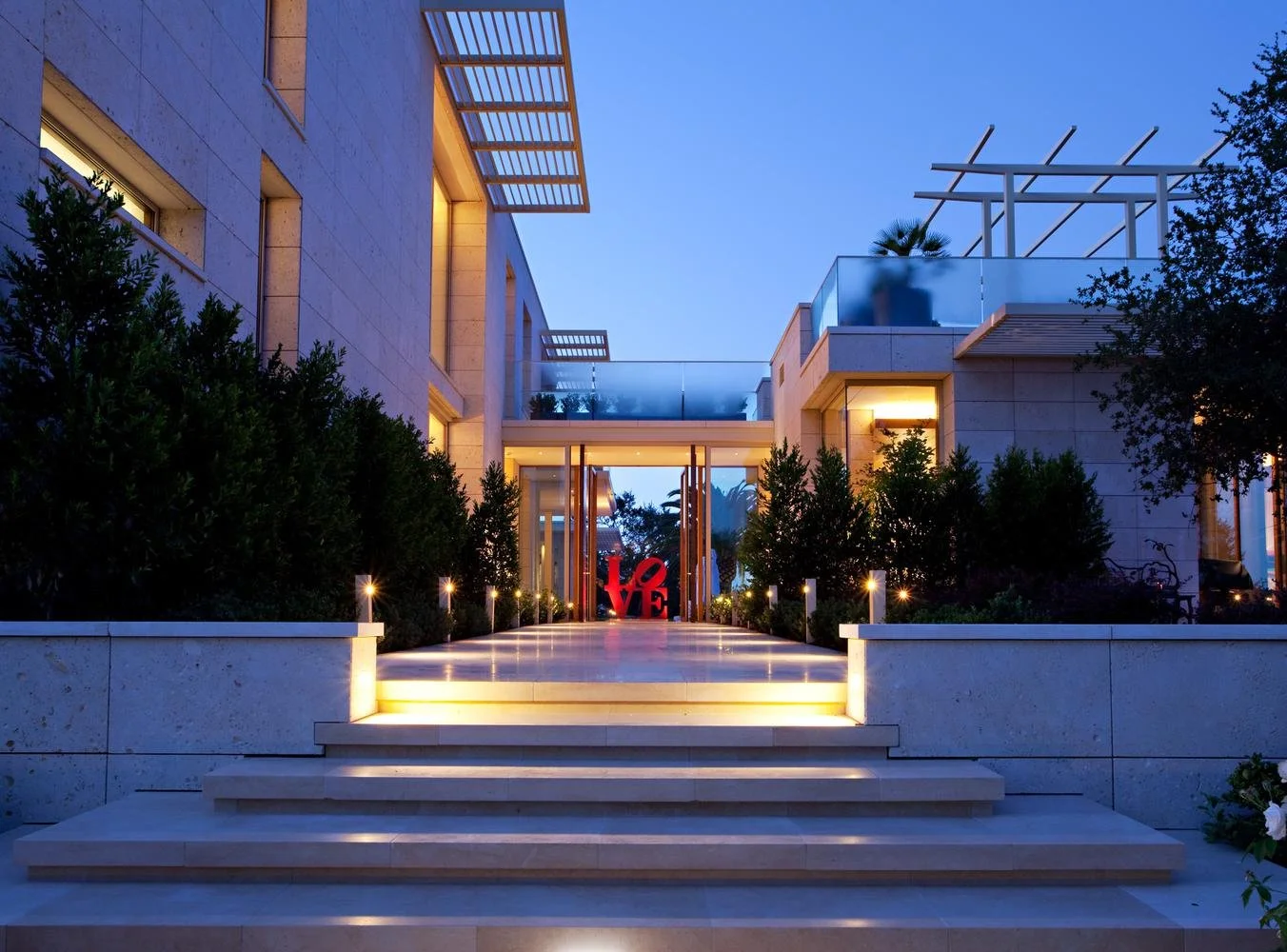
Yountville: Interior Design, April Powers; Architecture, Backen, Gillam & Kroeger Architects; Lighting Design, EJA Lighting Design; Photography, Garford Media
EJA: What are the differences between working in residential and hospitality design?
AP: Budget is the first thing that comes to mind. Hospitality projects often need to look high-end but are executed on a fairly tight budget. Residential projects are much more personal to the homeowner(s), so the budget may be more generous. When it comes to material and furniture selections, it's not unusual for a homeowner to request hospitality-grade materials that can withstand daily use by a family with children and pets. For hospitality projects, we often want to incorporate the look and feel of home while using resilient materials. The lines between hospitality and residential can often get blurry, as one definitely influences the other.
EJA: How do you define beauty?
AP: To me, beauty is that thing that grabs your eye and fills you up with a sense of awe and wonder. I’m regularly mind-blown by the beauty of the redwoods and oaks on trails on Mt. Tam, by a fabulous art exhibit, or a well-curated boutique showcasing artist-made items. I feel pretty lucky living in the Bay Area; we have the opportunity to experience all these varieties of beauty on any given day.
EJA: Your Yountville project had an impressive art collection. Who are some of your favorite artists?
AP: Oh, this is always a tough one! I have so many favorites. I keep memberships to the de Young, the Legion, and the SF MoMA locally, and visit museums when I travel, so my favorite will vary depending on which exhibit I've visited most recently. Off the top of my head, the Ruth Asawa Retrospective exhibit was amazing. I've always been a fan of her crocheted metal sculptures, but not until I saw the recent retrospective did I understand the variety of media she worked in. I was really impressed with her hand drawings and paintings as well. I love the way she deconstructed items found in nature and then reconstructed them, emphasizing their sacred geometry.
EJA: Who are your favorite furniture designers?
AP: Another tough one! I love Carlo Bugatti's unique and interesting pieces. They're not for everyone, but I would like to have the opportunity to incorporate a piece or two of his into an interior someday. Generally, though, I like to work with local furniture makers to develop project-specific custom pieces.
EJA: What’s inspiring you in the design industry right now?
AP: Everything! All the options! I love that there are so many wonderful styles to choose from in furniture, fabrics, and lighting. I'm drawn to eclectic environments. I love it when a space feels like it has evolved. It's fun to pull from past, more ornate styles and elements, and mix them with cleaner-lined, more contemporary or modern pieces.
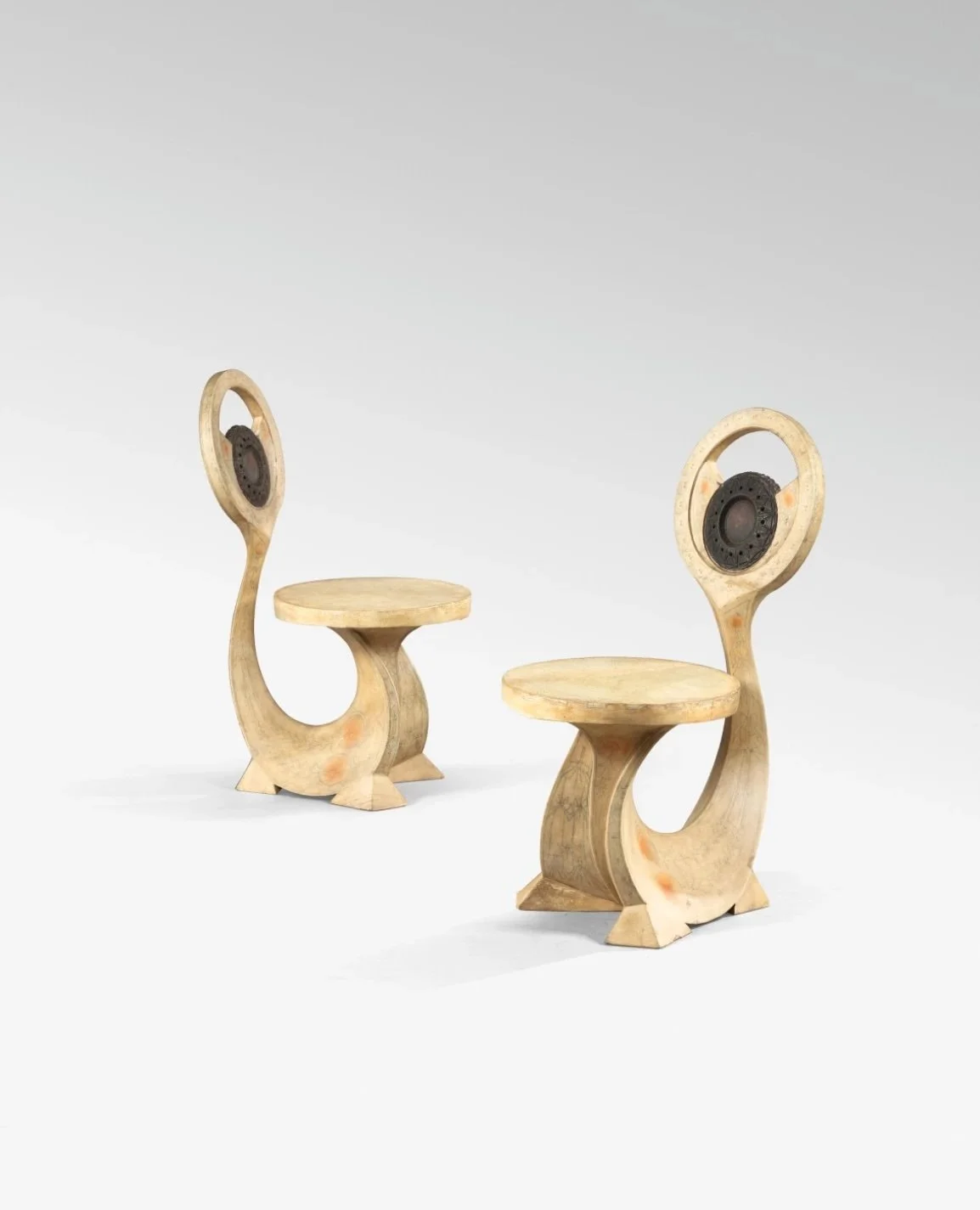
Carlo Bugatti Cobra Chairs, Milan, circa 1902; Photography, Sotheby’s